Onyx: A Sans-Serif Typeface for Modern Visual Impact
You know the moment when you see a brand that just looks... right? The typography feels intentional, the letters carry weight without shouting, and every word commands attention without demanding it. That's the sweet spot Onyx occupies in the typeface world. It's a sans-serif font built for designers and creators who want their text to feel confident, contemporary, and unmistakably professional.
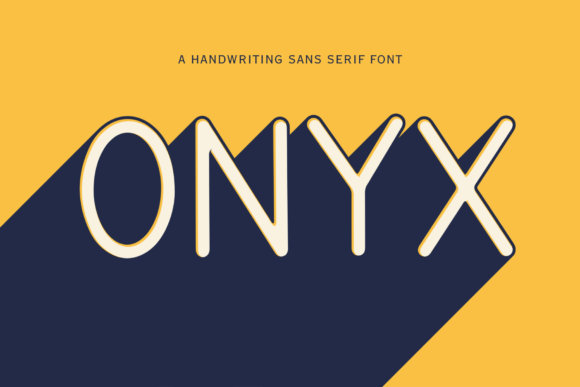
What sets Onyx apart from the hundreds of sans-serif options flooding font libraries? Its geometric letterforms strike a rare balance. The characters are bold and structured, yet they avoid feeling cold or mechanical. The sleek lines give each letter breathing room, which translates to cleaner layouts and stronger hierarchy—whether you're designing a logo, building a website, or mocking up packaging for a product launch.
Why Onyx Works for Brand Identity Projects
Brand identity lives and dies on consistency. When a small business owner or entrepreneur picks a typeface for their logo, they're also choosing the font that will appear on invoices, social posts, email headers, and maybe even merchandise. That's a lot of responsibility for one design asset.
Onyx handles that weight gracefully. Its geometric structure means it scales well—you won't lose legibility when it shrinks down to a business card or blows up on a billboard. The bold, modern personality reads as forward-thinking without being trendy in a way that'll feel dated in two years. For startups building a visual identity from scratch, or established brands refreshing their look, this kind of typographic staying power matters.
Consider a coffee roasting company rebranding its packaging. They need a typeface that feels artisanal but not rustic, modern but not sterile. Onyx on the front of a bag, paired with a complementary script or handwritten accent font on the back, creates that layered personality. The primary typeface does the heavy lifting—brand name, product line, roast level—while the secondary font handles the storytelling copy. That's practical font pairing in action.
Practical Applications Across Design Projects
The versatility of a premium font like Onyx shows up in the details. Here's where designers and creators consistently reach for typefaces with this kind of bold, geometric character:
- Logo design: Onyx's clean geometry makes it easy to customize letterforms. A designer can tweak a letter or two—rounding a corner, adjusting a stroke weight—to create something proprietary without losing the font's core identity.
- Social media graphics: Instagram carousels, Pinterest pins, and LinkedIn banners all demand type that reads clearly at small sizes on bright screens. Onyx holds up well in digital environments where thin or ornate fonts tend to disappear.
- Website headers and hero sections: Modern web design leans heavily on bold sans-serif typography for headlines. Onyx fills that role naturally, giving designers a typeface that pairs well with lighter body text fonts like a classic serif or a clean sans-serif companion.
- Packaging design: From cosmetics to craft beverages, packaging needs to communicate quality at a glance. Onyx's refined weight and contemporary edge signal that a brand takes its presentation seriously.
- Editorial layouts: Magazine spreads, lookbooks, and digital publications benefit from display fonts that create visual rhythm. Onyx works beautifully for pull quotes, section headers, and cover lines.
- Marketing assets: Brochures, one-sheets, pitch decks, and email campaigns all need typography that reinforces brand recognition. Using Onyx consistently across these touchpoints builds familiarity with your audience over time.
Invitations and event collateral deserve a mention too. Wedding stationery designers, event planners, and creators selling printable party supplies often need a typeface that feels elevated without being fussy. Onyx delivers that polished, modern aesthetic—especially when used for names, dates, and key details on an invitation suite.
Improving Readability and Professional Presentation
Readability isn't just about font size. Letter spacing, x-height, stroke contrast, and overall weight distribution all play a role in whether someone can comfortably read your text—or bounces after two seconds. Onyx was designed with these factors in mind. Its generous proportions and consistent stroke widths mean the eye moves smoothly across a line of text, whether it's a five-word headline or a paragraph on a product page.
For content creators managing blogs or digital products—think PDF guides, workbooks, or online course materials—this matters more than most people realize. A poorly chosen typeface can make even well-written content feel amateurish. Onyx gives your written material a professional frame, which builds trust with your audience before they've even processed the words themselves.
There's also the question of audience engagement. Marketing professionals know that visual hierarchy drives behavior. When your primary message is set in a bold, distinctive sans-serif like Onyx, and your supporting text uses a lighter, more neutral typeface, readers instinctively know where to look first. That's not manipulation—it's good design. It respects your audience's time by making information easy to find.
Choosing the Right Style and Testing Font Pairings
Most premium fonts ship with multiple weights and styles, and Onyx is no exception. Before committing to a project, take time to explore the full range. A lighter weight might work better for body text on a website, while the boldest weight anchors a poster or packaging label. Some projects benefit from mixing weights within the same family—using Onyx Bold for headlines and Onyx Regular for subheadings creates hierarchy without introducing a second typeface.
When you're pairing Onyx with other fonts, think about contrast and compatibility. A serif font with traditional proportions creates an appealing tension—modern meets classic. A script or handwritten font adds warmth and personality, which can soften Onyx's geometric precision. The key is to test pairings in context. Don't just look at two fonts side by side in a design tool. Set real content—your actual headlines, your actual body copy—and see how they interact at the sizes you'll actually use.
One practical tip: print your test layouts if the project involves print materials. Fonts behave differently on screen than on paper. Onyx's bold weight might feel perfect on a monitor but slightly heavy on uncoated paper stock. Small adjustments in size, leading, or weight can solve that, but you won't catch the issue without testing.
Licensing and Long-Term Value
Before downloading any commercial font, review the licensing terms carefully. Most premium font licenses cover specific use cases—desktop, web, app, or server—and the number of users or installations. If you're a small business owner purchasing Onyx for your brand, make sure the license covers all your intended applications: your website, your printed materials, and any merchandise you plan to sell.
Investing in a well-crafted typeface pays dividends over time. It becomes part of your brand's visual language, a design asset you return to again and again. Onyx's blend of boldness and versatility makes it a smart choice for creators who want a typeface that works hard across every project—from the first logo sketch to the thousandth social media post.