Mario Bold: Inject Playful Energy Into Your Creative Projects
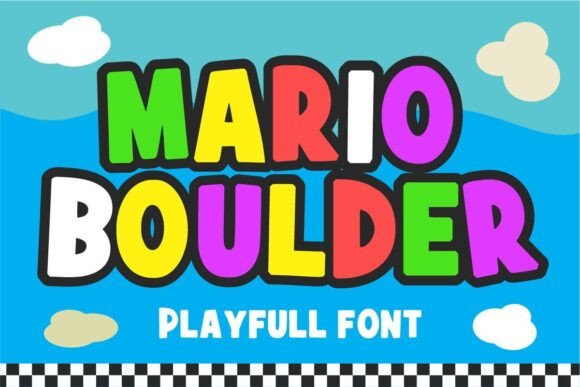
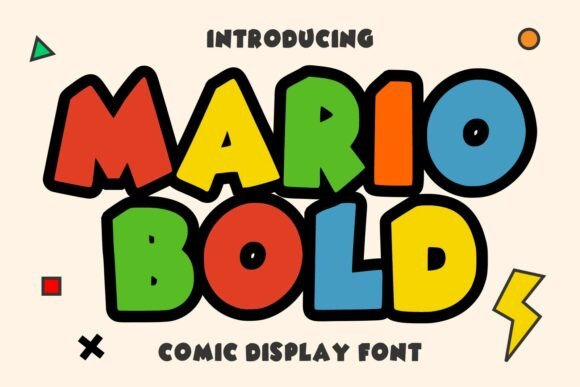
There's something undeniably magnetic about a font that doesn't take itself too seriously. You know the feeling—you're scrolling through designs, and one catches your eye because it radiates personality, warmth, and a sense of fun that makes you smile before you even read the words. That's exactly the kind of visual energy that defines Mario Bold, a comic display typeface built with chunky letterforms, bold outlines, and an unmistakable cartoon-inspired charm that refuses to blend into the background.
If you've been searching for a typeface that brings genuine character to your work—something beyond the safe, corporate-friendly options that dominate most design toolkits—this font deserves a closer look. Whether you're building a brand from scratch, designing packaging for a children's product, creating YouTube thumbnails that demand clicks, or crafting invitations that set a joyful tone, understanding how to work with a bold, playful display font can genuinely shift how your audience connects with your designs.
What Makes a Comic Display Font Stand Out
Display fonts occupy a specific niche in typography. Unlike body text fonts designed for extended reading at small sizes, display typefaces are built for impact. They're meant to grab attention at larger scales—headlines, banners, signage, logos, and anywhere a few words need to carry serious visual weight. Within that category, comic-inspired designs like Mario Bold go a step further by injecting personality directly into the letter shapes themselves.
The chunky, rounded forms of this typeface create an immediate sense of approachability. Think about why comic books have worked for decades to tell stories that resonate across age groups: the visual language is inherently inviting. Bold outlines add definition and make text pop against busy backgrounds, which is a practical advantage when your design needs to compete for attention—on a store shelf, a social media feed, or a poster on a bulletin board.
Color plays well with fonts like this, too. Because the letterforms are substantial and well-defined, they serve as natural containers for gradients, textures, or flat fills. A designer working on a game title or sticker pack can treat each letter almost like an illustration element, layering color and effects without sacrificing legibility. That versatility is one reason creative professionals keep playful display fonts in their rotation.
Where This Font Truly Shines
Let's get practical. A font's value isn't in how it looks in a specimen sheet—it's in how it performs across real projects. Here are some of the spaces where a bold, cartoon-inspired typeface earns its place in a designer's toolkit.
Brand Identity for Family-Focused Businesses
If you're launching a kids' clothing line, a family entertainment center, a children's book imprint, or a toy brand, your typography needs to speak the right language immediately. Parents browsing a shelf or scrolling online make snap judgments based on visual cues. A playful, confident font signals that your brand is approachable, energetic, and designed with a younger audience in mind—without feeling cheap or amateurish. Pair it with a clean sans serif for body copy, and you've got a brand system that balances fun with professionalism.
Packaging That Pops
Packaging design lives or dies on shelf presence. In a category crowded with competitors, the font you choose for your product name can be the difference between a customer reaching for your box or passing it by. Comic display fonts work exceptionally well for snack brands, cereals, candy, craft supplies, party favors, and any product where the buying decision is driven by excitement and visual appeal. The bold outlines hold up at various sizes, from large front-panel branding to smaller callouts on nutrition information or promotional badges.
Social Media and Content Creation
Event Materials and Invitations
Birthday parties, baby showers, school events, community fairs, and themed celebrations all benefit from typography that matches the mood. Mario Bold brings that celebratory, lighthearted energy to invitations, flyers, banners, and thank-you cards. Because the letterforms are bold and self-contained, they reproduce well across different printing methods—from home inkjet printers to professional offset runs.
Merchandise and Print-on-Demand
The print-on-demand market rewards designs that feel both distinctive and broadly appealing. T-shirts, mugs, tote bags, stickers, and phone cases featuring bold, playful typography tend to perform well in marketplaces like Etsy, Redbubble, and Amazon Merch. A comic display font gives your text-based designs the personality they need to stand out in a sea of generic options.
Pairing and Readability: Getting the Balance Right
Here's where practical design thinking matters. A display font like Mario Bold is a specialist—it does one thing exceptionally well, which is commanding attention at larger sizes. That means it's not the right choice for paragraphs of body text, lengthy product descriptions, or fine print. And that's perfectly fine. No single typeface should do everything.
The smartest approach is pairing. Use your bold, playful display font for headlines, titles, logos, and short bursts of text that need maximum impact. Then bring in a complementary typeface for supporting copy. A simple, geometric sans serif creates a clean contrast that lets the display font take center stage. A rounded sans serif can echo the friendly curves without competing. Even a straightforward serif font can work if you want to add a touch of editorial sophistication to balance the playfulness.
Test your pairings in context. Drop them into your actual layout rather than evaluating them in isolation. Check how they look at different sizes, on different backgrounds, and across both screen and print. Readability isn't just about letter spacing and x-height—it's about whether the overall composition communicates clearly to the person viewing it.
Licensing and Commercial Use
One detail that often gets overlooked until it becomes a problem: font licensing. If you're using a typeface for commercial projects—client work, products for sale, business branding, marketing materials—you need to confirm that your license covers that use. Most premium fonts come with clear commercial licensing terms, but it's worth reading the specifics before you commit to a font for a major project. Some licenses cover a certain number of users, devices, or project types. Others offer broader commercial rights.
This matters especially for designers working with clients. You want to deliver work that's fully cleared for the intended use, and that starts with the design assets you choose. A font that looks perfect but carries restrictive licensing can create headaches down the road. Do your due diligence early, and you'll save yourself time and potential legal complications.
Making Typography Work Harder for Your Brand
Consistency is one of the most underrated elements of strong brand design. When your typography stays consistent across touchpoints—website headers, social media posts, packaging, printed materials, email newsletters—it builds recognition. People start to associate that visual style with your business before they consciously register what the text says. That's the power of a cohesive type system.
A bold display font like Mario Bold can serve as the anchor of a playful, energetic brand voice. Used strategically and consistently, it becomes a recognizable element that differentiates your business from competitors relying on the same handful of overused free fonts. The investment in a quality typeface often pays for itself in the professionalism and distinctiveness it brings to everything you produce.
Typography is never just about aesthetics—it's about communication. The right font tells your audience something about who you are before they read a single word of your message. Choose one that genuinely reflects the energy and personality you want to project, and you'll find that your designs connect more deeply with the people you're trying to reach.