Sunday Easter: Injecting Groovy Energy into Your Design Toolkit
There is a distinct moment in graphic design when a project feels flat, lacking that essential spark that stops a viewer from scrolling past. You have the layout finalized, the colors selected, and the imagery polished, yet the typography feels safe, sterile, or uninspired. For designers, content creators, and entrepreneurs looking to break away from the monotony of standard corporate typefaces, Sunday Easter arrives as a vibrant solution. This display font embraces a groovy, retro-inspired aesthetic that immediately injects personality, courage, and a youthful spirit into any composition. It is not just a collection of letters; it is a statement piece designed to grab attention instantly.
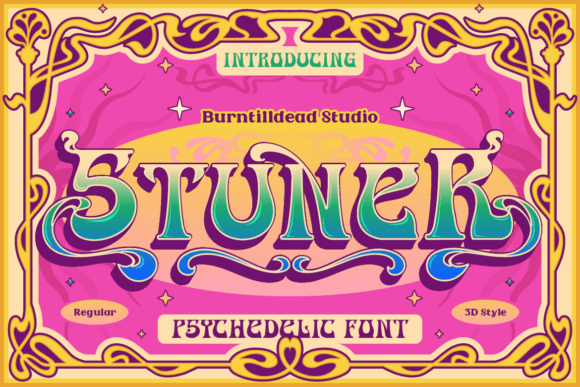
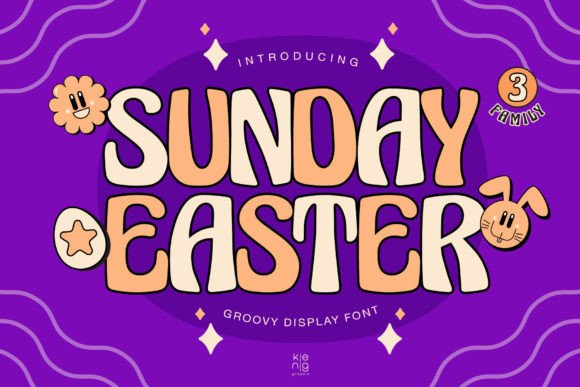
The visual language of Sunday Easter is rooted in the playful, psychedelic curves of the 1970s, yet it maintains a modern crispness that makes it highly functional for today’s digital landscape. When you select a font like this, you are making a deliberate choice to stand out. Unlike neutral sans serif fonts that blend into the background, a display font with this much character commands the viewer's eye. It works exceptionally well for projects that require a touch of nostalgia mixed with contemporary flair. Whether you are designing a logo for a new startup, creating a layout for a comic book, or developing assets for an online game, the groovy style offers a unique blend of familiarity and excitement.
Visual Appeal and The "Groovy" Aesthetic
What makes a typeface "groovy"? It comes down to rhythm and flow. Sunday Easter features fluid lines and rounded edges that mimic the organic shapes found in vintage signage and pop culture graphics from the mid-20th century. This style taps into a psychological response associated with fun, leisure, and creativity. For a modern audience, particularly those in the 20 to 50 demographic, this aesthetic triggers a sense of nostalgia while remaining fresh. It avoids the stiffness of rigid geometric fonts, instead offering a visual texture that feels hand-drawn and approachable.
However, the true value of Sunday Easter lies in its versatility as a premium font. While it is undoubtedly decorative, it is engineered for legibility at headline sizes. This is a crucial distinction for professional designers. A common pitfall with decorative typefaces is sacrificing readability for style. Sunday Easter strikes a balance, ensuring that the unique character shapes do not compromise the clarity of the message. This makes it an excellent choice for brand identity projects where the logo needs to be recognized quickly, even from a distance or on small mobile screens.
Consider the specific applications where this visual weight is most effective:
- Movie Titles and Posters: The font’s bold presence captures the cinematic drama required for entertainment marketing.
- Eye-catching Social Media Posts: In a crowded feed, the distinct silhouette of Sunday Easter stops the scroll, increasing engagement rates.
- Merchandise Design: For items like t-shirts, hats, bags, and mugs, the font translates beautifully onto physical products, maintaining its charm across different printing methods.
- Gaming Interfaces: The "youth and courage" associated with the style fits perfectly within the UI of casual or retro-themed games.
Practical Applications for Modern Creators
For small business owners and creative entrepreneurs, choosing the right typeface is often a struggle between expressing personality and maintaining professionalism. Sunday Easter bridges this gap by offering a look that is professional in its execution but playful in its intent. It is particularly effective for businesses targeting a younger, energetic demographic or those positioning themselves as disruptors in their industry.
Packaging Design is one area where Sunday Easter can truly shine. If you are launching a line of artisanal goods, cosmetics, or snack foods, the packaging is your silent salesperson. Using a creative font like Sunday Easter on your labels can convey the flavor or vibe of the product before the customer even reads the description. It suggests that the brand inside the box is just as exciting as the exterior. Similarly, in editorial design, such as magazine covers or blog headers, this font can be used to break up the visual monotony of standard serif fonts or sans serif fonts, drawing the reader's eye to the most important headlines.
When integrating this font into web design, it is important to consider the loading experience and visual hierarchy. Because it is a display typeface, it is best reserved for H1 headings, hero section text, or call-to-action buttons. Pairing it with a clean, neutral body font is essential. Imagine a website header in Sunday Easter paired with a legible sans-serif for the paragraph text; the contrast creates a dynamic rhythm that guides the user down the page. This approach enhances visual consistency while ensuring the site remains accessible and easy to read.
Strategic Font Pairing and Readability
One of the most practical aspects of using a bold display font is knowing what to pair it with. Sunday Easter has a strong personality, so it requires a partner that can support it without competing for attention. As a general rule in modern typography, contrast is key.
- Pair with Geometric Sans-Serifs: Fonts like Futura, Montserrat, or Poppins provide a clean, structured counterpoint to the organic curves of Sunday Easter. This pairing works well for tech startups or lifestyle brands.
- Pair with Classic Serifs: For a more editorial or vintage feel, combining Sunday Easter with a traditional serif like Garamond or Times New Roman can create a sophisticated yet edgy look. This is ideal for fashion blogs or creative agency portfolios.
- Pair with Monospace Fonts: If you are going for a retro-futuristic vibe, pairing the groovy display font with a monospace typeface can evoke the feeling of early computing mixed with 70s psychedelia.
Readability considerations cannot be overstated. While Sunday Easter is designed for clarity, context matters. Avoid using it for long blocks of body copy. Display fonts are meant to be savored in short bursts—headlines, logos, and sub-headers. If you use it for a full paragraph, the eye fatigue will set in quickly, and the message will be lost. Always prioritize the user experience; the goal is to attract attention, not strain the eyes.
Commercial Value and Licensing
For those looking to monetize their designs, the licensing of a commercial font is a critical detail. Sunday Easter is typically distributed as a premium font, meaning it comes with specific rights regarding usage. For designers creating assets for clients—whether it is a logo, a set of social media templates, or merchandise—understanding the license ensures you are operating legally and ethically.
Most premium font licenses allow for:
- Unlimited personal projects.
- Commercial use in physical products (print on demand).
- Digital usage in websites, apps, and games.
However, it is always prudent to review the specific End User License Agreement (EULA) provided with the font. This is especially true if you are creating templates for resale (like Canva templates or theme files). Ensuring your design assets are fully licensed protects your business reputation and prevents future legal headaches.
Ultimately, Sunday Easter is more than just a groovy style typeface; it is a versatile tool for visual communication. It empowers designers and creators to step outside the safety of standard corporate typography and embrace a bolder, more courageous aesthetic. Whether you are crafting the next viral social media campaign, designing packaging for a new product launch, or simply looking to refresh your personal blog, this font provides the visual impact needed to make a lasting impression. By understanding its strengths and pairing it thoughtfully, you can leverage Sunday Easter to elevate your projects from ordinary to unforgettable.