Old English: The Bold Blackletter Font for Timeless Branding
There's a particular weight to certain typefaces. They don't just spell out words; they announce them. The Old English font, with its deep roots in medieval script, is one of these commanding typefaces. It’s more than just a collection of ornate letters—it’s a visual declaration. For designers and creators looking to inject a sense of history, formality, or dramatic flair into a project, understanding how to wield this classic blackletter style is a valuable skill. It’s a font that demands attention and, when used correctly, delivers a powerful punch of personality.
A Typeface Steeped in History, Built for Modern Impact
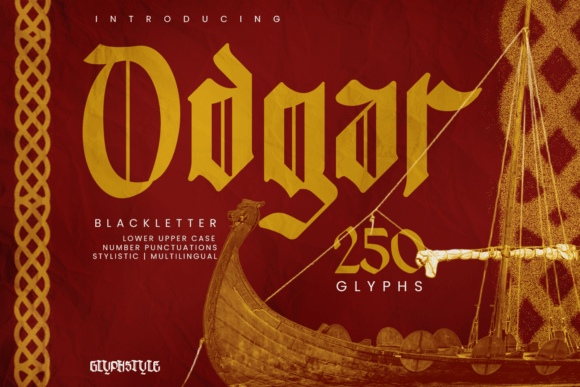
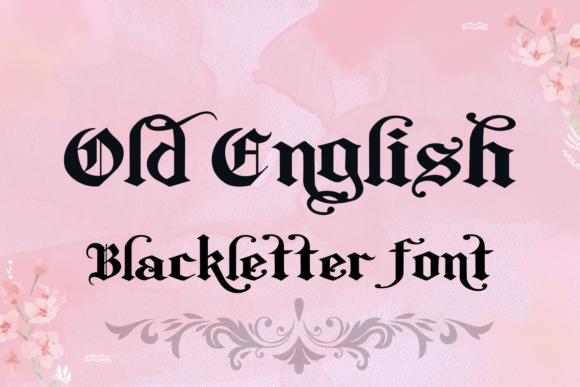
What exactly is the Old English font? Often synonymous with blackletter, this style originated in 12th-century Europe and became the standard for printed materials, including the Gutenberg Bible. Its visual hallmark is a dense, intricate appearance created by thick, vertical strokes, sharp angles, and decorative serifs. The letters often appear to be constructed from separate pieces, giving them a textured, hand-carved quality. This isn't a font for whispering; it's for making a statement. The appeal lies in this very density and ornamentation. It evokes a sense of tradition, authority, and craftsmanship—qualities that can translate powerfully into contemporary design.
Think about the last time you saw this font used effectively. It was likely on a whiskey bottle, a tattoo studio's logo, a heavy metal album cover, or the header of a high-end certificate. In each case, the font wasn't just carrying a message; it was defining the entire mood. It tells your audience that what they're looking at has weight, history, or a bold, unconventional edge. This is the core of its utility for modern projects: it’s a shortcut to a specific, potent aesthetic.
Strategic Applications: Where Old English Shines Brightest
The key to using a display font like Old English effectively is matching its inherent personality to your project's goals. It’s a specialist, not a generalist. Its strength lies in headlines, logos, and accent elements where character outweighs the need for effortless, small-text readability. Let’s break down where it can add the most value.
For Branding and Logo Design: If your brand identity is built on heritage, luxury, rebellion, or a gothic sensibility, this font can become the cornerstone of your visual language. A craft brewery, a bespoke tailor, a vintage bookshop, or a metal music label can use it to instantly communicate their niche. The font itself becomes a recognizable brand asset, much like a well-designed monogram.
In Print and Packaging Design: Here, the font’s detailed nature truly excels. On a bottle label for artisan spirits, a certificate of authenticity, or the cover of a specialty notebook, Old English adds a tactile, premium feel. It suggests the product inside is crafted with care and attention to detail. For packaging, it’s often best used for the product name or a key phrase, paired with a cleaner font for necessary information like ingredients or descriptions.
Digital Presence with Personality: While you wouldn't set your entire website body text in Old English, it can be a stunning hero font. Use it for a website header, a blog post title, or a featured quote to create an immediate visual anchor. On social media, it’s perfect for creating standout graphics—think announcement posts, podcast cover art, or quote cards that need to stop a scrolling thumb. The key is contrast; its ornate strokes look fantastic when set against a simple background or paired with a clean, modern sans-serif font.
Editorial and Event Materials: For a magazine cover, a book title, or a wedding invitation suite, this font brings a level of formality and grandeur. It’s particularly effective for events with a specific theme, like a medieval fair, a formal gala, or a historical documentary screening. The font sets the stage before a single word of the content is read.
Mastering the Art of Pairing and Practicality
Using a bold, stylistic font like Old English is a balancing act. Its complexity means it pairs best with simple, understated companions. This contrast ensures readability and prevents visual chaos.
- The Classic Companion: Pair Old English with a neutral, geometric sans-serif font. The clean lines of fonts like Helvetica, Futura, or Open Sans provide a perfect counterbalance, allowing the blackletter to be the star without overwhelming the viewer. This is a go-to combination for logos and headlines.
- The Readable Serif Partner: For projects that require a more traditional feel but still need body text, consider a highly legible, old-style serif font like Garamond or Caslon. These serifs have their own historical roots but are designed for comfortable reading, creating a harmonious, layered typographic hierarchy.
- A Word on Script Fonts: Pairing Old English with another decorative font, like an elaborate script, is risky. It can quickly become illegible and visually noisy. If you attempt it, ensure there’s a clear size and weight difference, and use the combination sparingly.
Before finalizing any design, practical testing is non-negotiable. View your font pairing at the actual size it will be used—both on screen and, if applicable, in print. Check for clarity on different devices and backgrounds. If you're using it for a logo, ensure it remains recognizable even when scaled down to a social media profile picture or a favicon. Also, take a moment to review the full character set of the font you purchase. A quality premium font will often include alternate characters, ligatures, and extended punctuation, giving you more creative flexibility.
Finally, a crucial consideration for any commercial project is licensing. If you’re using a font for a client’s logo, merchandise, or a digital product for sale, you must ensure you have the appropriate commercial license. Using a font without proper licensing can lead to legal and financial headaches down the line. Reputable font foundries and marketplaces are clear about their licensing terms—always read them carefully.
Embracing the Grandeur Without Overdoing It
The Old English font is a powerful tool in a designer's arsenal. It’s a typeface that carries centuries of meaning, and when deployed thoughtfully, it can elevate a project from ordinary to unforgettable. Its value isn’t in ubiquity, but in its specificity. It solves a particular design problem: how to instantly convey tradition, boldness, or refined elegance.
Think of it as the typographic equivalent of a well-tailored suit or a piece of antique furniture. It’s not for every day or every room, but for the right occasion, it is absolutely perfect. By understanding its history, respecting its visual weight, and pairing it with care, you can harness the timeless sophistication of blackletter to create designs that are not only seen but felt. The goal isn’t to use it everywhere, but to use it where it will have the most profound impact, adding that coveted touch of vintage grandeur to your modern creative work.