Retro Block: A Playful Slab Serif for Bold Branding
There’s something undeniably magnetic about typography that feels both familiar and fresh. It captures attention without shouting, evokes nostalgia without feeling outdated, and carries a personality that can define a brand in a single glance. If you’ve been searching for that perfect balance of vintage charm and modern punch for your next project, you might have just found your match.
The Soul of the Typeface: More Than Just a Slab Serif
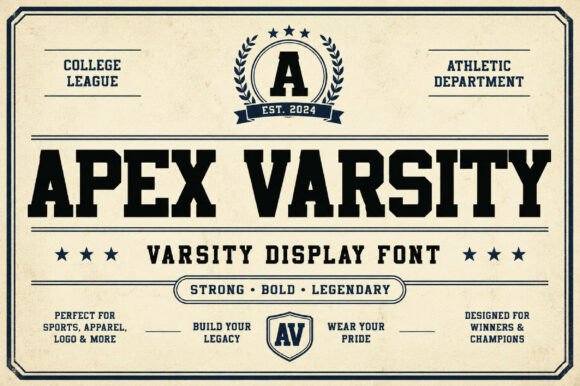
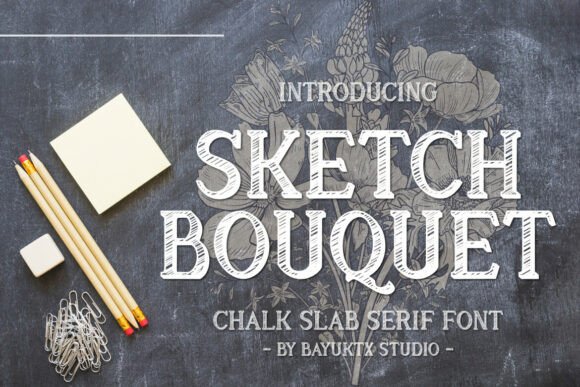
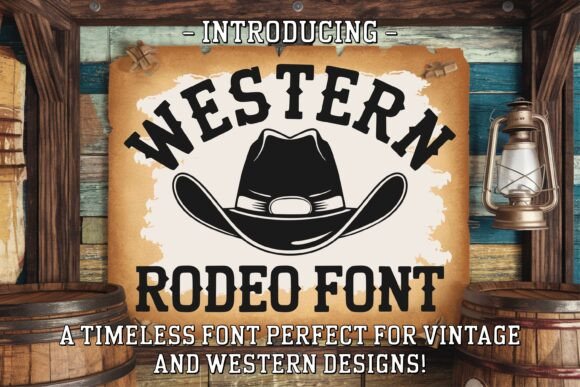
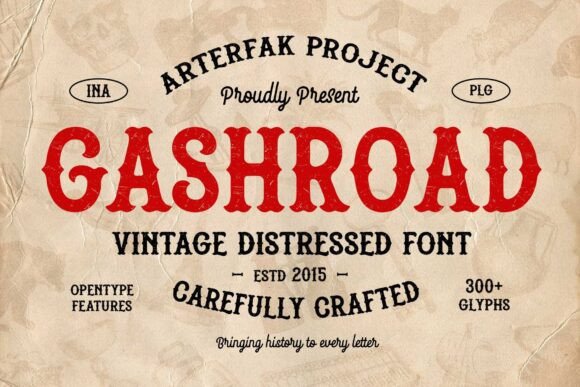
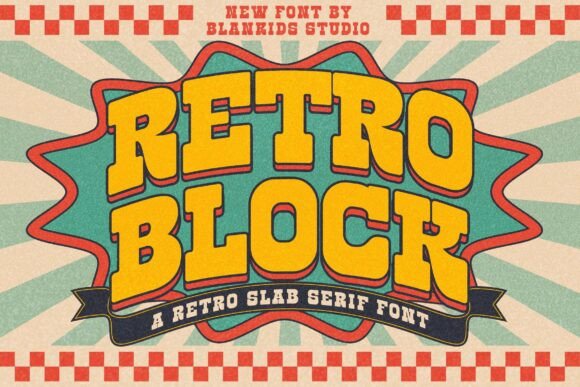
At its heart, this font is a retro slab serif, but that simple classification doesn’t do it justice. Each letterform is crafted with a distinct, playful retro style that feels lifted from a 1970s album cover or a classic arcade game marquee. The thick, blocky serifs give it a solid, grounded presence, while subtle curves and intentional quirks in the letter shapes prevent it from feeling rigid or cold. It’s the kind of typography that doesn’t just sit on a page—it communicates a vibe. Think of it as a font with built-in character, ready to inject energy and personality into any visual context.
This isn’t a quiet, background font. It’s a display font designed to be the star of the show. Its strength lies in headlines, logos, and short, impactful text where its full personality can shine. The careful design ensures that despite its bold, decorative nature, it maintains excellent readability at the sizes it’s intended for. You won’t be using it for a 500-word blog paragraph, but for the title that draws readers in? It’s perfect.
Practical Magic: Where This Font Truly Comes Alive
Understanding a font’s personality is one thing; knowing exactly where to deploy it is where the real magic happens. This is where a premium font like this proves its worth, transforming from a set of glyphs into a powerful design asset. Its applications are wide-ranging, but they all share a common thread: the need for a strong, memorable visual statement.
For Branding and Logo Design: A logo is the cornerstone of a brand identity. This typeface excels at creating logos that are instantly recognizable and full of personality. It’s particularly well-suited for brands in the food and beverage industry (think craft breweries, retro diners, or artisanal bakeries), entertainment, gaming, lifestyle blogs, and any business that wants to project a fun, approachable, and confident image. The unique letterforms ensure your mark won’t blend into a sea of generic sans-serifs.
For Packaging and Merchandise: On a crowded shelf or a scrolling web page, packaging needs to grab attention fast. The bold, retro aesthetic of this font makes product names pop on labels, boxes, and bags. It translates beautifully onto merchandise like t-shirts, tote bags, and mugs, where its playful style becomes part of the product’s appeal. Imagine a coffee bag with a label that feels like a vintage stamp, or a band t-shirt with a logo that screams rock and roll—that’s the power of a well-chosen creative font.
Digital and Print Collateral: Its utility extends far beyond the physical product. For social media graphics, it’s a game-changer. A bold headline in this font can stop the scroll on Instagram, make a YouTube thumbnail unmissable, or give a Pinterest pin serious visual weight. In editorial design, it can create striking magazine covers or feature article headlines. For event promoters, it’s ideal for posters and invitations that need to convey excitement and style. Even in web design, used strategically for hero section titles or key call-to-action phrases, it can dramatically increase visual impact and audience engagement.
Making It Work: Pairing and Practical Tips
A powerful font needs a supporting cast to truly create a harmonious design. The key to using a display typeface effectively is understanding font pairing. Because it’s so distinctive, it pairs best with simpler, more neutral companions.
Try combining it with a clean, geometric sans serif font for body text. The contrast will let your headlines sing while keeping longer copy highly readable. For a more classic feel, a simple, modern serif font can create an interesting dialogue between old and new. Avoid pairing it with another highly stylized script font or handwritten font, as this can lead to visual chaos. The goal is balance, not competition.
Before you commit, always test your pairings in context. Mock up a business card, a website header, or a social media post. See how the letters interact. Check the spacing—sometimes, tracking out the letters slightly (increasing the space between them) can improve legibility for all-caps headlines. Review the full character set of the font you purchase; many commercial fonts include useful alternates, ligatures, or stylistic sets that can add another layer of customization to your work.
A Final Thought on Choosing Your Tools
Typography is a silent ambassador for your brand. The fonts you choose do more than spell out words; they set a mood, build recognition, and tell a story before a single sentence is read. A typeface with a distinct retro flair isn’t just a stylistic choice—it’s a strategic one. It communicates a specific set of values: creativity, confidence, and a nod to timeless design principles. Whether you’re a designer building a client’s brand identity, a small business owner crafting your own visual language, or a content creator looking to make your mark, investing in a high-quality, versatile font is an investment in clarity and impact. The right tool doesn’t just make your work look good; it makes your message felt.