The Handwritten Charm of the Beach Font
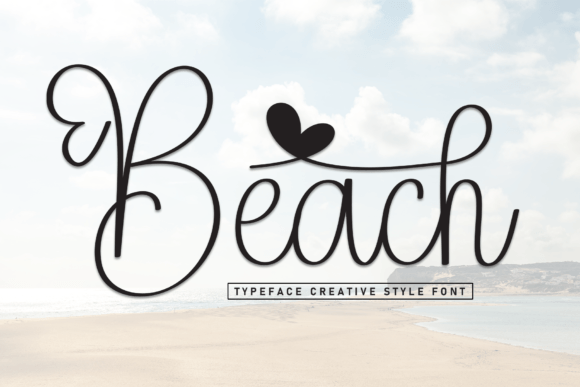
There’s something undeniably personal about a piece of handwritten text. It carries a warmth, a sense of effort, and a human touch that digital typefaces can sometimes lack. For designers and creators looking to inject that authentic, personal feel into their projects, a well-crafted script font is an essential tool. The Beach typeface is one such tool, offering a stylish and elegant script that feels both modern and timelessly graceful. It’s the kind of font that doesn’t just display words; it conveys a mood—sophisticated, intimate, and effortlessly chic.
A Font That Sets the Tone for Elegance
What makes Beach visually compelling is its balanced design. It avoids the extremes of being too casual or overly formal. The letterforms flow with a natural, connected rhythm, mimicking the fluid motion of a skilled hand with a brush or pen. The subtle variations in stroke thickness give it depth and character, preventing it from looking flat or sterile. This elegant script font strikes a beautiful balance, making it versatile enough for both celebratory occasions and refined brand identities. It’s a premium font that feels accessible, a creative font that doesn’t sacrifice professionalism.
Imagine it on a wedding invitation: the names of the couple rendered in Beach would feel deeply personal and romantic, setting an immediate tone for the event. Now picture the same font on a high-end skincare product’s packaging. Here, it communicates luxury, care, and artisanal quality. This adaptability is its core strength. It functions as more than just a display font; it’s a storyteller, capable of shifting its narrative to suit the context, whether that’s a heartfelt thank you card or a sophisticated logo for a boutique consultancy.
Practical Applications Across Creative Projects
For professionals and hobbyists alike, understanding where a font like Beach can be most effective is key to maximizing its value. Its applications span a wide range of design disciplines, offering solutions for both digital and print-based projects.
- Branding & Logo Design: A logo sets the first impression. Using Beach in a logo can instantly communicate a brand’s personality as approachable, elegant, and human-centric. It works wonderfully for businesses in the wedding industry, boutique retail, wellness, or any service that values a personal connection. Pair it with a clean sans serif font for body text to create a dynamic and readable brand identity.
- Packaging & Merchandise: On product labels, shopping bags, or merchandise like tote bags and mugs, this handwritten font adds a layer of perceived value and craftsmanship. It tells customers there’s a human being behind the product, which can be a powerful differentiator in a crowded market.
- Digital Presence: In the realm of web design and social media graphics, Beach can be used strategically for headlines, quotes, or call-to-action buttons to draw the eye and inject personality. It’s particularly effective for Instagram stories, Pinterest pins, and blog headers where visual appeal is paramount. For digital products like planners or ebooks, it can add a charming, personal touch to cover designs or section titles.
- Print & Editorial: From magazine pull quotes and chapter headings to posters and greeting cards, the font excels in print. Its elegance ensures it reproduces beautifully at various sizes, maintaining its clarity and style. For editorial design, it can break up the monotony of body text and highlight key information with flair.
Integrating Beach into Your Design Workflow
Simply choosing a beautiful font is only half the battle. The real skill lies in using it effectively to achieve your project’s goals. Here are some practical considerations for working with a script font like Beach.
Font Pairing is Crucial. A script font rarely works well in isolation for large blocks of text. The key is to pair it with a complementary typeface. A simple, geometric sans serif font provides a clean, modern contrast that lets the script shine without overwhelming the design. Alternatively, a classic serif font can create a more traditional, elegant pairing. Always test your combinations in context to ensure they are visually harmonious and support overall readability.
Prioritize Readability. While Beach is crafted for legibility, it’s still a script. Use it for short, impactful text—headlines, logos, names, or short phrases. Avoid setting long paragraphs or small body copy in it, as this can strain the reader’s eye. Consider the medium; what looks stunning on a large poster might become a blur on a mobile screen if used for navigation text. Always test at the intended final size.
Understand Your Licensing. Before using any font, especially for commercial work, it’s non-negotiable to review the licensing terms. A font marketed as a “commercial font” should come with a license that clearly outlines permitted uses—whether for logos, merchandise, digital ads, etc. Respecting font licensing is a hallmark of professional practice and protects both you and your clients from legal issues down the line.
More Than Just Letters
Ultimately, a typeface like Beach is a design asset, a component in your visual toolkit. Its value isn’t just in its aesthetic appeal, but in its ability to solve communication problems. It can improve visual consistency across a brand’s materials, making everything from a business card to a website feel unified. It enhances brand recognition by creating a distinctive typographic voice. When used thoughtfully, it boosts professional presentation and can even increase audience engagement by making content feel more relatable and human.
Choosing the right font is a strategic decision. It’s about matching typography to project goals, whether those goals are to evoke nostalgia, convey luxury, or foster trust. By exploring the styles within a font family and testing how they interact with other design elements, you move beyond decoration and into meaningful visual communication. The elegance of a script like Beach offers a pathway to creating designs that don’t just look good, but feel genuinely connected to the audience they’re meant to reach.