Barista Stencil: The Handwritten Font for Authentic Crafts
There is a specific texture to a design that feels genuinely handmade, a quality that mass-produced, perfectly geometric typography often misses. It’s the slightly imperfect line, the human wobble in a letterform, the sense that a person actually put pen to paper—or in this case, stencil to surface. This is the space where Barista Stencil operates, and it does so with a kind of quiet confidence. For designers, small business owners, and creators who need to bridge the gap between professional polish and authentic, craft-inspired charm, this typeface offers a compelling solution. It’s not just another display font; it’s a tool for building a specific kind of visual story.
Capturing the Handmade Aesthetic in a Digital World
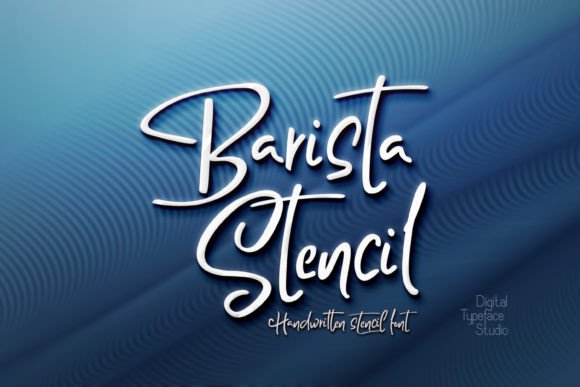
The core appeal of Barista Stencil lies in its carefully crafted handwritten style. Every character is designed to mimic the natural flow of hand-lettering, but with a crucial twist: the absence of closed loops. This detail is more than a stylistic choice; it’s what makes the font a true stencil. In physical crafting, a closed loop in a stencil would create a floating island of material that would fall out. By eliminating these, Barista Stencil is instantly prepared for real-world cutting projects, whether you’re using a vinyl cutter, a laser engraver, or even a craft knife. This design integrity means the digital font you use on screen translates directly and reliably to physical materials, a vital feature for anyone creating merchandise, packaging, or signage.
Visually, this construction gives the typeface a distinct, open, and airy feel. The letters feel connected yet separate, friendly yet structured. It avoids the overly whimsical look of some script fonts, leaning instead toward a modern, approachable vibe. This makes it incredibly versatile. It can feel artisanal and cozy for a coffee shop brand, or energetic and bold for a streetwear label. The key is that it always feels human, which is a powerful asset in an era saturated with sterile, algorithm-generated designs.
Where This Creative Font Truly Shines: Practical Applications
Understanding a font’s personality is one thing; knowing where to deploy it is another. Barista Stencil’s unique characteristics make it a standout choice for a range of projects where clarity of message and brand personality are paramount.
Branding and Logo Design: For brands built on a foundation of craftsmanship, authenticity, or community—think local roasteries, boutique bakeries, independent bookstores, or artisanal product makers—a logo set in Barista Stencil immediately communicates core values. It says, “We make things with care.” It pairs exceptionally well with clean sans-serif fonts for body text, creating a dynamic contrast between a distinctive, personal headline and readable, professional information.
Packaging and Merchandise: This is where the stencil nature becomes a superpower. Imagine a coffee bag with the blend name cut out of a label, or a candle jar with the scent name stenciled directly onto the glass. The font’s design ensures these applications are not just possible but look intentional and stylish. For merchandise like tote bags, t-shirts, or hats, it provides a ready-made aesthetic that feels custom-designed without the custom price tag. The visual consistency between your digital mockups and the final printed product is seamless.
Digital Presence and Marketing: The font’s readability at various sizes makes it a strong contender for digital use. It can grab attention in social media graphics, especially for quotes, announcements, or sale promotions where you need to stop the scroll. On a website, it can be used for impactful hero text or section headers, guiding the visitor’s eye while reinforcing brand identity. For bloggers and content creators, it offers a way to create custom title cards for videos or consistent graphic templates that build a recognizable channel aesthetic.
Print and Editorial Layouts: In editorial design, such as magazine spreads or book covers, a font like Barista Stencil can break the monotony of standard serif and sans-serif pairings. It can introduce a tactile, human element to otherwise clean layouts. For posters, invitations, and event collateral, it sets a tone that is both engaging and memorable, perfect for markets, workshops, or launch parties.
Making It Work: Pairing and Practical Considerations
Choosing a creative font is the first step; integrating it effectively into a larger design system is what separates a good idea from a great execution. Here’s how to think about working with Barista Stencil.
The Art of Font Pairing: The golden rule with a strong display typeface like this is balance. It’s designed to be the star of the show in headlines, logos, and short, impactful text blocks. For longer paragraphs, body copy, or detailed information, you need a complementary partner. A neutral, highly readable sans-serif font (like a geometric or humanist sans) is a safe and effective choice. It allows Barista Stencil’s personality to shine without competing for attention. If your brand leans more traditional, a sturdy serif font could create an interesting juxtaposition of old and new. The key is to test combinations. Set a headline in Barista Stencil and a paragraph in your chosen body font. Does it feel harmonious? Is the hierarchy clear?
Readability is Non-Negotiable: While it’s excellent for display purposes, avoid using Barista Stencil for long-form reading. Its handwritten, stencil nature, while charming, can cause eye strain in lengthy passages. Use it strategically for what it’s best at: grabbing attention and conveying a specific mood. Always check legibility at the smallest size you intend to use it, especially on mobile screens.
Explore the Included Styles: A quality premium font often comes with more than one weight or style. Check to see if Barista Stencil includes variations like a regular, bold, or italic version. These variations can add depth to your designs, allowing for subtle emphasis and hierarchy without introducing another typeface, which helps maintain a cohesive brand identity.
Understand the License: Before you use any commercial font in a client project or for merchandise you sell, you must understand the licensing. Most font licenses are based on usage. Does the license cover an unlimited number of projects? Can you use it on products for sale? Can you embed it in a digital product like a PDF template? Clarifying this upfront prevents legal headaches down the line and is a mark of a professional designer or business owner.
Beyond the Stencil: Building a Visual Language
Ultimately, a typeface like Barista Stencil is more than just a collection of letters. It’s a building block for a visual language. It can help a small business project the warmth and reliability of a neighborhood staple. It can give a digital creator a consistent and recognizable face across platforms. It allows a designer to inject a sense of crafted reality into a project. Its strength isn’t just in its clever construction, but in its ability to make designs feel thoughtful, approachable, and genuinely original. In a world of digital perfection, that human touch is a powerful differentiator.