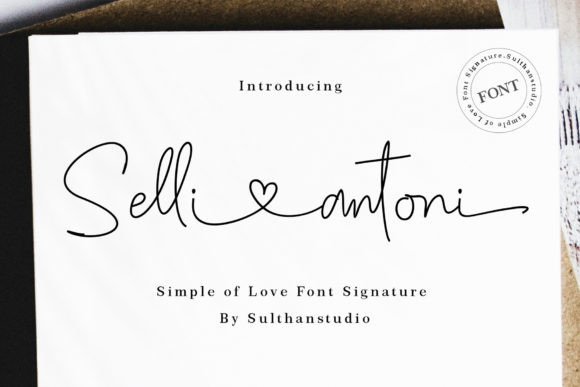
Selli Antoni: A Handwritten Font for Authentic Brand Stories
There's a moment in every creative project where the right typeface transforms good work into something that genuinely connects. You've poured hours into refining a concept, selecting colors, and crafting your message—but the typography either elevates everything or quietly undermines it. Selli Antoni belongs to that rare category of handwritten fonts that feels both personal and polished, striking a balance that's surprisingly difficult to find in modern typography.
Why Handwritten Fonts Still Matter in a Polished Digital Landscape
We live in an era saturated with sleek sans serif fonts and minimalist design. Clean lines dominate corporate branding, tech startups, and influencer aesthetics alike. Yet there's a growing hunger for authenticity—for designs that feel human rather than algorithmic. A thoughtfully chosen script font or handwritten typeface cuts through the visual noise precisely because it signals warmth, individuality, and approachability.
Selli Antoni captures this impulse without sacrificing legibility or versatility. Each letter carries its own character, with organic curves and subtle imperfections that mimic genuine handwriting. The result is a typeface that reads as personal without appearing sloppy—ideal for anyone building a brand identity rooted in connection rather than corporate detachment.
Where Selli Antoni Truly Shines: Creative Applications That Work
Think about the brands and projects that stick with you. Often, the typography plays a quiet but powerful role in that memorability. A bakery logo rendered in a warm handwritten font immediately communicates homemade quality. An invitation set in elegant script whispers of celebration. Social media quotes styled with personality stop the endless scroll.
Here's where designers, entrepreneurs, and content creators consistently find success with a font like this one:
- Logo Design: Selli Antoni works beautifully as a primary logotype for lifestyle brands, boutique shops, personal blogs, and creative studios. Its unique letterforms create logos that feel bespoke rather than templated.
- Packaging Design: From artisan food labels to handmade candle packaging, this typeface adds an artisanal quality that resonates with consumers seeking authentic products.
- Social Media Graphics: Instagram quotes, Pinterest pins, and promotional posts benefit enormously from typography that feels handcrafted. The font's natural rhythm makes text-heavy graphics far more engaging.
- Wedding Invitations and Event Stationery: The timeless elegance of Selli Antoni lends itself perfectly to formal invitations, save-the-dates, and event programs.
- Website Headers and Blog Titles: Pairing a handwritten display font with a clean sans serif for body copy creates visual hierarchy and personality without sacrificing readability.
- Merchandise and Print Products: Tote bags, mugs, greeting cards, and poster prints all benefit from typography that feels personal and artisanal.
- Editorial Layouts: Magazine features, lookbooks, and digital publications can use script and handwritten fonts for pull quotes, chapter titles, and accent text to create visual rhythm.
- Marketing Assets: Email headers, landing page callouts, and promotional flyers gain a human touch that helps brands stand apart in crowded inboxes and feeds.
Building Visual Consistency Across Every Touchpoint
One of the most overlooked aspects of branding is typographic consistency. A business might use five different fonts across its website, packaging, and social channels—creating a fragmented visual experience that confuses audiences. Choosing a versatile premium font like Selli Antoni and committing to it across relevant touchpoints builds recognition over time.
When customers see the same typeface repeatedly, it becomes shorthand for your brand. They recognize it before they even read the words. This is the foundation of strong brand identity, and it doesn't require a massive budget—just intentional decisions about your design assets.
Consider creating a simple type system: Selli Antoni for headlines, accent text, and logo variations, paired with a complementary serif font or sans serif for longer body copy. This approach gives your brand both personality and readability, covering the full range of communication needs from Instagram stories to printed brochures.
Pairing Typography Thoughtfully for Maximum Impact
Font pairing is where many designers—beginners and veterans alike—either nail it or struggle. A handwritten font demands a confident, understated partner. The goal is contrast without conflict.
Selli Antoni pairs well with clean geometric sans serifs for a modern, approachable aesthetic. Think of how a bold, simple typeface for body text grounds the expressive energy of the script headers. Alternatively, pairing it with a classic serif creates a more editorial, sophisticated feel—perfect for lifestyle brands, magazines, and high-end packaging.
A few practical pairing tips worth testing in your own projects:
- Limit yourself to two or three typefaces maximum across any single project or brand system.
- Use the handwritten font sparingly for maximum impact—headlines, pull quotes, logo marks—not for paragraphs of body text.
- Check that x-heights and visual weights complement each other rather than competing.
- Test your pairings at multiple sizes, from mobile screens to large-format prints, before committing.
- Print a sample if your project involves physical materials. Screen rendering and paper output often tell different stories.
Readability: The Non-Negotiable Priority
No matter how beautiful a typeface appears in isolation, it must serve its communicative purpose. Selli Antoni maintains strong readability for display use, but like any handwritten or script font, context matters enormously. Avoid setting long paragraphs or small body text in any script typeface. Reserve it for sizes where its personality can breathe—typically 18pt and above for print, and correspondingly larger sizes for digital screens.
Pay attention to letter spacing and line height when working with handwritten fonts. Because the letterforms often connect or flow into one another, generous leading prevents visual clutter. Test your designs on different devices and in different lighting conditions. What reads elegantly on a calibrated monitor might blur on a phone screen in bright sunlight.
Licensing and Commercial Considerations
For designers working on client projects or entrepreneurs building product lines, understanding font licensing isn't optional—it's essential. Before incorporating any typeface into commercial work, verify that the license covers your intended use. Most premium fonts offer clear commercial licensing, but the specifics vary. Some licenses cover unlimited projects; others are per-project or per-seat. Packaging, merchandise, and digital products each carry different licensing implications in some agreements.
Take a few minutes to review the license terms included with Selli Antoni before finalizing a project. This small step protects both you and your clients, and it's a professional habit that separates seasoned designers from those still learning the ropes.
Making the Font Your Own
The best typography decisions happen when you move beyond aesthetics and consider function. What emotion should this project evoke? Who is the audience? Where will they encounter this design—on a screen, in their hands, on a shelf? Selli Antoni answers the call for projects that need to feel genuine, approachable, and memorable without looking amateurish.
Experiment with it. Set your brand name in it. Drop a favorite quote into a social media template. Mock up a product label. The right typeface doesn't just look good in a specimen sheet—it transforms the way your entire project communicates. And when a font carries that kind of quiet power, it earns its place in your permanent toolkit.