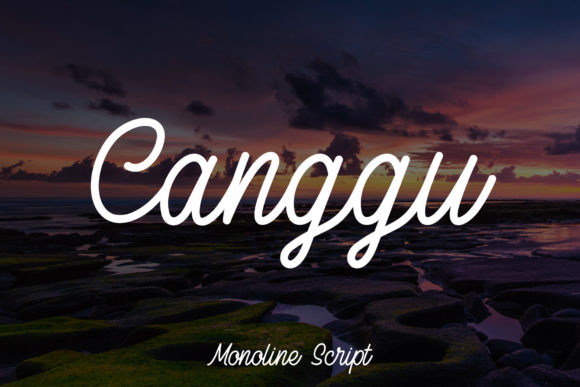
Canggu: The Handwritten Font for Authentic Brand Stories
There's a moment in every design project where the typography either clicks into place or feels like an afterthought. If you've been searching for a typeface that carries warmth, personality, and a distinctly human touch, the Canggu font might be exactly what your next project needs. This gorgeous handwritten font captures the relaxed elegance of hand-lettered script while maintaining the kind of polish that makes it versatile enough for professional applications.
What sets Canggu apart from the hundreds of other handwritten fonts flooding design marketplaces is its balance. It doesn't lean so far into casual that it looks messy, nor does it feel so refined that it loses that organic, handcrafted quality. The letterforms flow naturally, with subtle variations in stroke weight that mimic the way a real pen moves across paper. It's the kind of typeface that makes a brand feel approachable without sacrificing credibility.
Where This Handwritten Font Truly Shines
Canggu works beautifully across a surprisingly wide range of applications. For clothing brands and fashion labels, it brings that effortless cool factor—think boutique logos, hang tags, and care labels that feel personal rather than mass-produced. Wedding invitation designers will appreciate how the font's romantic, flowing character sets an elegant yet relaxed tone without looking overly formal or stuffy.
Small business owners building their brand identity from scratch often struggle to find typography that feels distinctive without being distracting. Canggu solves that problem. It carries enough personality to be memorable but remains legible at various sizes, which matters when you're placing it on everything from storefront signage to Instagram stories. Here are some of the most effective ways to put this creative font to work:
- Logo design for lifestyle brands, cafés, boutiques, and creative studios
- Packaging design for artisan products, cosmetics, and specialty foods
- Social media graphics that need a personal, authentic voice
- Blog headers and website accents that break up the monotony of standard web fonts
- Print materials like business cards, postcards, and promotional flyers
- Merchandise including t-shirts, tote bags, mugs, and stickers
- Editorial layouts where pull quotes and subheadings need visual interest
- Digital products such as e-book covers, course graphics, and downloadable planners
Building Visual Consistency Across Your Brand
One of the most overlooked aspects of brand identity is typography consistency. When every touchpoint—from your website to your email signature to your product labels—uses the same typeface family, your audience starts recognizing you before they even read the words. Canggu makes this kind of consistency achievable because it adapts well to different contexts while maintaining its core personality.
Think about how a handwritten font functions in a logo versus on a social media graphic. In a logo, Canggu might appear at a larger size with generous letter spacing, giving it room to breathe and making each letterform part of the overall visual mark. On a Pinterest pin or Instagram post, the same font at a smaller size creates an intimate, conversational feel—like a note from a friend rather than a corporate broadcast. That adaptability is what separates a useful design asset from a novelty font you download once and never use again.
For content creators and bloggers specifically, having a go-to display font like Canggu in your toolkit simplifies the design process enormously. Instead of hunting for a new typeface every time you create a pin or design a lead magnet, you already have something that fits your aesthetic. Over time, your audience associates that visual style with your content, strengthening brand recognition without any additional effort on your part.
Pairing Canggu with Other Typefaces
Handwritten fonts rarely work well as the sole typography choice for an entire project. They're display fonts at heart—designed to grab attention and convey personality in headlines, logos, and short text blocks. For body copy, longer descriptions, and anything that needs to be read quickly at smaller sizes, you'll want to pair Canggu with a clean sans serif font or a straightforward serif font.
The contrast is what makes font pairing work. Canggu's organic, flowing strokes look particularly sharp next to a geometric sans serif with clean lines and even spacing. Think of it as the visual equivalent of pairing a textured linen shirt with tailored trousers—each element enhances the other. If your brand skews more traditional, a classic serif typeface can ground the handwritten elements and add a layer of sophistication.
Here's a practical approach to testing your pairings: set your headline or logo in Canggu, then try three or four different body text options underneath. Look at the combination at actual size, not just on a large monitor. Check how it reads on a phone screen, printed on paper, and at a distance if you're designing signage. The right pairing should feel effortless—like the two fonts were always meant to work together.
Readability Considerations You Shouldn't Skip
Every handwritten font comes with readability trade-offs, and Canggu is no exception. While it's more legible than many script fonts, it's still a display typeface that prioritizes style over pure readability. This means certain letters might run together at very small sizes, and long paragraphs set entirely in Canggu would fatigue readers quickly.
The solution isn't to avoid the font—it's to use it strategically. Reserve Canggu for moments where you want to make a visual impact: headlines, call-to-action text, short quotes, product names, and brand marks. Let a more straightforward typeface handle the heavy lifting of paragraphs, instructions, and detailed information. This approach actually makes Canggu more effective because it stands out precisely where you place it, rather than blending into a wall of similar-looking text.
Pay attention to letter spacing and line height when working with this premium font. Handwritten typefaces often benefit from slightly increased tracking to prevent letters from colliding, especially in all-caps settings. Adjusting these details might seem minor, but they make a significant difference in how polished and professional your final design looks.
Licensing and Practical Considerations
Before incorporating any commercial font into a client project or product line, verify the licensing terms. Most premium fonts come with clear guidelines about what's permitted—whether that's unlimited personal use, a specific number of commercial projects, or extended licensing for merchandise and large-scale distribution. Understanding these terms upfront protects you legally and ensures you're using the font appropriately.
Canggu's versatility as a handwritten font means you'll likely want to use it across multiple projects and formats. Make sure the license covers your intended applications, particularly if you plan to embed the font in digital products, use it on merchandise sold commercially, or include it in client deliverables. When a font license is straightforward and generous, it becomes a long-term design asset rather than a one-time download.
For designers and entrepreneurs building a cohesive visual identity, investing in a quality typeface like Canggu pays dividends over time. It becomes part of your creative toolkit—a reliable option you reach for when a project calls for warmth, personality, and that unmistakable handcrafted quality. Whether you're designing a wedding invitation suite, building a brand from the ground up, or creating social media content that actually connects with people, having the right handwritten font makes the work both easier and more effective.