Botany: A Handwritten Font for Authentic Branding
There’s a certain magic in a font that feels human. Not the crisp, predictable geometry of a geometric sans serif, but the organic, slightly imperfect flow of a real brush pen on paper. It communicates warmth, authenticity, and a personal touch that digital precision often lacks. For designers and creators seeking that genuine, handcrafted aesthetic, the Botany typeface emerges as a compelling tool. This isn’t just another script font; it’s a carefully crafted design asset born from the fluidity of a brush pen, offering a unique blend of elegance and approachable style that can transform a project’s visual language.
The Visual Character of a Brush Pen Script
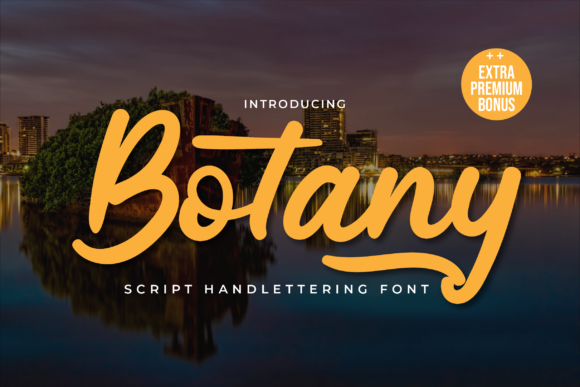
What immediately sets Botany apart is its origin story. Created with a beautiful brush pen, it carries the inherent characteristics of that medium: varying stroke widths, subtle ink texture, and a natural, flowing rhythm. This gives it a distinct personality that feels both stylish and authentic. Unlike many generic handwritten fonts that can look amateurish, Botany strikes a balance. It has the sophistication of a modern typography choice with the soul of hand-lettering. The letterforms connect gracefully, creating a sense of movement that’s perfect for projects needing a touch of elegance or a friendly, approachable vibe. This premium font isn’t about shouting; it’s about inviting the viewer in with its organic charm.
Practical Applications: Where Botany Truly Shines
Understanding a font’s personality is one thing; knowing where to apply it is where the real value lies for your projects. Botany’s versatility is a significant strength. Its flowing nature makes it an excellent choice for logo design, especially for brands in the wellness, beauty, artisan food, boutique retail, or creative consultancy spaces. It can instantly communicate a brand’s story of craftsmanship and care. For packaging design, it adds a premium, handcrafted feel to labels for cosmetics, specialty foods, or handmade goods, making products stand out on a shelf.
Beyond static branding, its applications in digital and print are extensive:
- Social Media Graphics & Web Design: Use Botany for Instagram quotes, Facebook headers, or website hero text to create engaging, personal-feeling content that stops the scroll. It works beautifully for blog headers and pull quotes, adding visual interest to long-form content.
- Print Materials & Invitations: Its elegance is ideal for wedding invitations, event programs, thank you cards, and elegant stationery. For editorial design, it can be used for magazine headlines or chapter titles to add a stylish, human touch.
- Merchandise & Marketing Assets: Print it on tote bags, mugs, or t-shirts for a trendy, artisan look. Use it in email headers, digital ads, or PDF guides to maintain a consistent and professional brand identity across all touchpoints.
Enhancing Your Project’s Impact with Thoughtful Typography
Choosing a creative font like Botany is about more than just aesthetics; it’s a strategic decision that impacts how your message is received. A well-chosen typeface enhances visual consistency. When you use Botany across your logo, website, and social media, it creates a cohesive look that strengthens brand recognition. Your audience begins to associate that friendly, elegant script with your specific identity.
Furthermore, it can improve audience engagement. A font with personality, like this script font, feels more relatable and can make your content more approachable than stark, corporate typography. However, this comes with a crucial consideration: readability. Botany excels as a display font for headlines and short phrases. For body text or small sizes, it’s essential to pair it with a highly legible sans serif font or a simple serif font. This contrast not only ensures your message is clear but also creates a professional, balanced layout.
Getting the Most Out of Your Font Files
A significant advantage of a professional typeface like Botany is the depth of its character set. Being PUA encoded is a practical benefit for designers, as it means all the beautiful swashes, alternate letters, and decorative glyphs are easily accessible in most design software without needing special OpenType features. This allows for greater customization—you can tweak letter connections or add flourishes to make your typography truly unique.
When working with any commercial font, always take a moment to review the included font styles and the licensing. Ensure the license covers your intended use, whether it’s for a client’s logo, a product for sale, or digital marketing assets. Proper licensing is a non-negotiable part of professional practice. Finally, test your font pairings rigorously. See how Botany interacts with your chosen body font at various sizes and on different backgrounds. This testing phase is what separates good design from great design, ensuring your final presentation is both beautiful and functional.
In the end, a font like Botany offers more than just letters; it offers a feeling. It’s a design asset that bridges the gap between digital creation and human touch, providing a versatile tool for anyone looking to infuse their projects with authenticity, style, and a clear, personal voice.